


Modern raid and dungeon encounters are built around constant spatial pressure. Small positional errors are inevitable—but how fast a player corrects them determines survival. The Speed of Positional Correction functions as the ultimate Reflex Test, separating players who execute Quick Adjustment from those who suffer Sustained Mechanic Failure Penalties.
In high-intensity environments, damage rarely kills instantly. Instead, players die from cumulative ticks, stacking debuffs, or extended exposure caused by hesitation. The difference between elite and average performance is often measured in fractions of a second.
Understanding Positional Drift
Positional drift is the gradual, unconscious deviation from the assigned safe anchor point. It often happens during prolonged DPS uptime, tunnel vision phases, or slight adjustments for mechanics. Over time, players find themselves just outside optimal positioning.
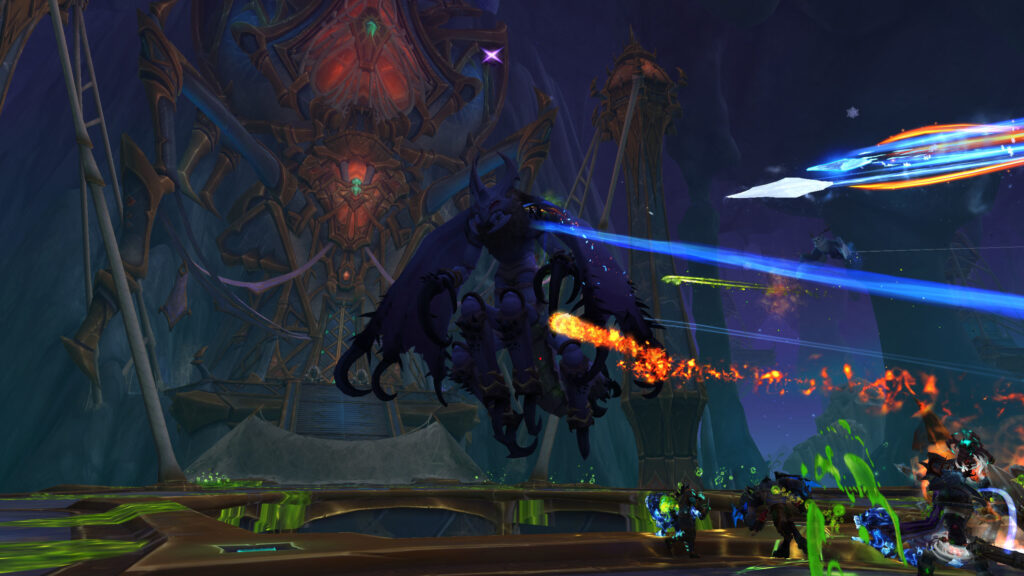
When a ground effect, AoE pulse, or line-of-sight requirement appears, a drifting player is forced into emergency repositioning instead of minor correction. This delay results in multiple ticks of avoidable damage or loss of healer coverage.
The Reflex Test Protocol
Quick Adjustment relies on instinct, awareness, and practiced input precision. The correction protocol follows three immediate steps:
- Instant Visual Recognition: Identify swirlies, debuffs, circle edges, or boss orientation shifts within milliseconds.
- Micro-Adjustment Movement: Use minimal strafing rather than full sprinting; correct just enough to re-enter the safe zone.
- Rotation Integration: Weave instant casts or resume auto-attacks immediately to prevent excessive DPS downtime.
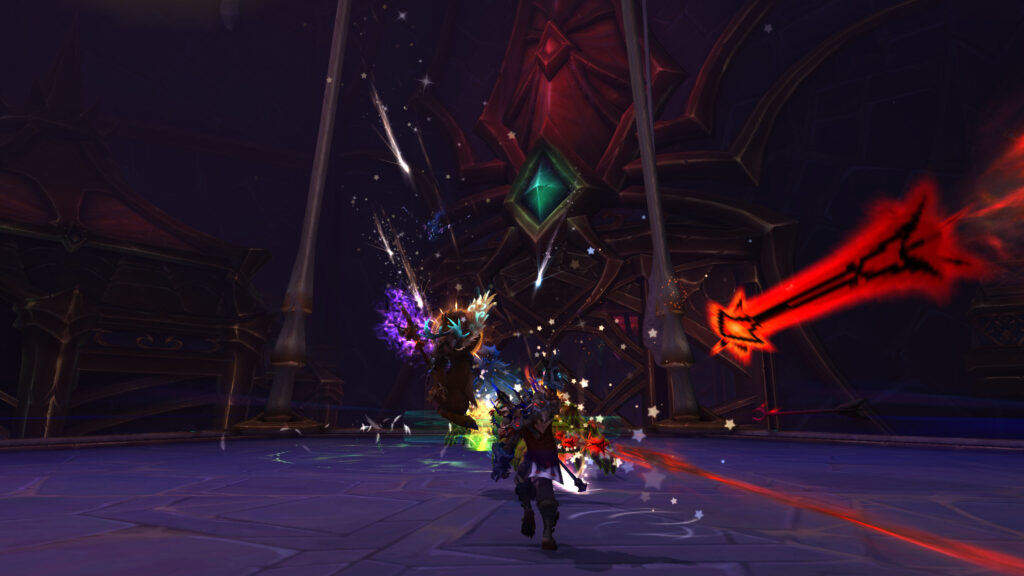
The key is controlled correction—not panic running.
Cumulative Cost of Slow Reaction
| Failure Type | Cause | Raid Impact |
|---|---|---|
| Stacked DoT Damage | Remaining in hazard for multiple ticks | Healer mana drain and defensive cooldown waste |
| Line-of-Sight Break | Over-correcting behind terrain | Missed external heal or defensive |
| Proximity Spread | Delayed separation from stack | Mechanic multiplies across raid |
| GCD Freezing | Stopping rotation entirely while thinking | Damage check failure over long fights |
Each slow reaction compounds into healer strain, resource inefficiency, and preventable wipes.
Muscle Memory and Situational Awareness
Elite players build correction reflexes through repetition. Instead of consciously processing every mechanic, they internalize movement thresholds:
- Standing slightly outside healing radius? Micro-step inward.
- Boss frontal turning? Sidestep before cast finishes.
- Stack marker applied? Begin movement before countdown ends.
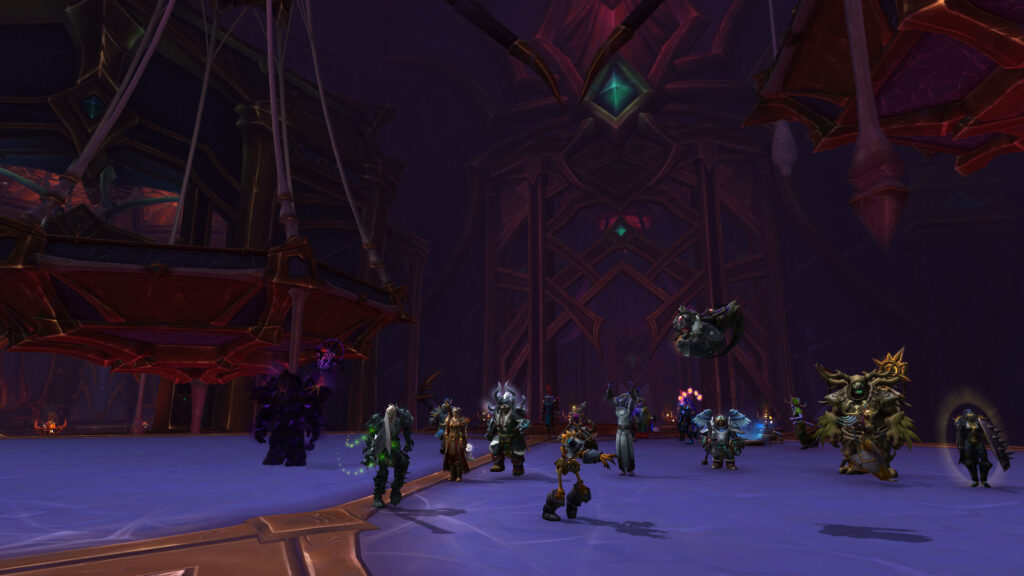
This anticipatory awareness minimizes correction distance and reduces panic responses.
Movement Priority Hierarchy
When positional conflict occurs, priorities must be clear:
- Survival positioning (safe zone first).
- Mechanic compliance (spread, stack, soak).
- Rotation uptime recovery.
Losing one global cooldown is acceptable. Accumulating five seconds of avoidable damage is not.
Psychological Discipline in Correction
Slow positional correction often stems from hesitation—players trying to “finish the cast.” Discipline requires accepting that abandoning a cast is sometimes optimal. Elite players treat movement as an integrated mechanic, not an interruption.
Conclusion
The Speed of Positional Correction is a defining Reflex Test in advanced PvE content. Instant recognition, precise micro-movement, and seamless rotational recovery ensure Quick Adjustment and eliminate Sustained Mechanic Failure Penalties.
Mastery of positional responsiveness reduces healer strain, protects raid integrity, and maintains consistent performance throughout the encounter.