

Hero Talents and Apex Talents represent the most significant class customization system introduced in World of Warcraft: Midnight. This expansion-level overhaul rebuilds talent trees across all classes, providing players with meaningful choices that fundamentally alter how their specializations play. Understanding Hero Talents, Apex Talents, and how they interact with existing talent trees is crucial for optimizing your character’s performance in raids, Mythic+ dungeons, PvP, and delves. This guide breaks down everything you need to know about the Midnight talent system and helps you plan the optimal build for your playstyle.
Understanding Hero Talents and Apex Talents
Hero Talents in World of Warcraft: Midnight are specialized talent trees that provide transformative abilities and passive bonuses tailored to specific class fantasies. Each class receives three Hero Talent trees to choose from (with Druids uniquely receiving four), and players must select one tree that becomes the foundation for their specialization’s talent build. Hero Talents unlock progressively as you level from 80 to 90, with the full tree becoming available at maximum level.
Apex Talents represent the pinnacle of the Hero Talent system. These powerful capstone abilities are located at the end of each Hero Talent tree and provide game-changing modifications to your specialization’s core abilities. Apex Talents unlock at specific level milestones: the first Apex Talent becomes available at level 81, the second at level 84, and the final Apex Talent at level 90. Choosing which Hero Talent tree to invest in determines which Apex Talents you gain access to, making this choice one of the most important character decisions in Midnight.
- Hero Talent Trees: Each class has three trees (Druids have four), offering 15-20 talents per tree focused on a specific class fantasy
- Apex Talents: Capstone abilities at the end of each Hero tree that fundamentally modify core specialization mechanics
- Unlock Schedule: First Apex at level 81, second at level 84, third at level 90 (full power)
- Respec Flexibility: Hero Talent trees can be respecced freely using the standard talent reset system, allowing experimentation
- Tree Specificity: Each Hero tree is designed for specific specializations, though some trees support multiple specs within a class
- Rebuilt Foundation: All class talent trees have been rebuilt with fewer mandatory filler points and more meaningful choices
The talent tree rebuild in Midnight addresses one of the most common community complaints about previous expansions: mandatory filler talents that provided negligible benefit but were required to reach meaningful nodes. The new trees feature denser clusters of valuable talents, more branching paths that support different playstyles, and fewer linear stretches that force players into a single optimal route. This design philosophy creates genuinely diverse viable builds for every specialization in the game.
Hero Talent Trees by Class Overview
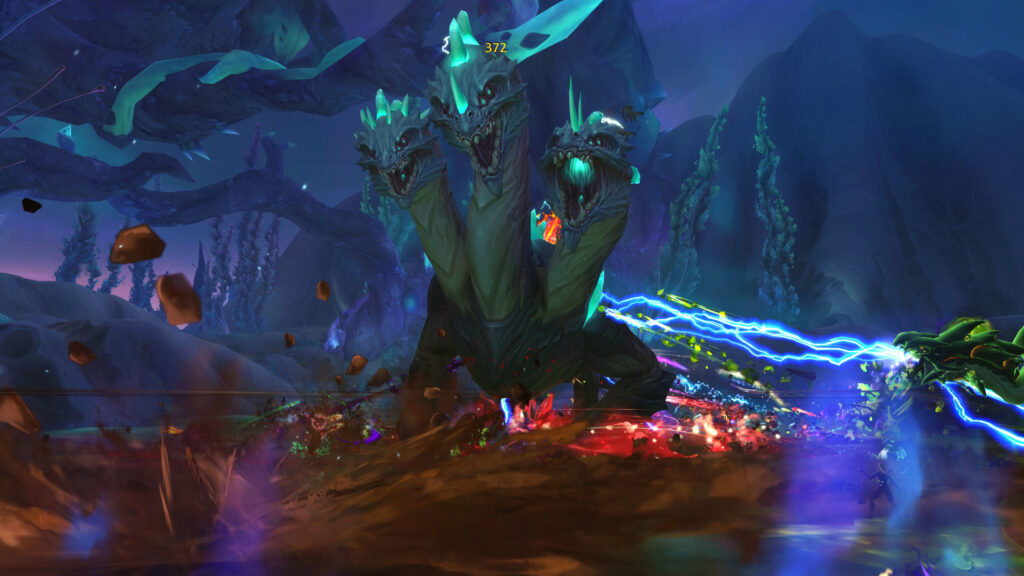
While each class has unique Hero Talent trees, certain archetypal themes appear across multiple classes. Spellbreaker-derived trees appear for magic-oriented classes, providing abilities that enhance spell damage and provide defensive utility through magic absorption. Ranger-inspired trees are available for physical damage dealers, focusing on precision, mobility, and sustained single-target damage. Dark Animus-themed trees offer powerful damage-over-time and corruption mechanics for caster DPS specializations that excel in multi-target encounters.
| Class Category | Hero Tree 1 | Hero Tree 2 | Hero Tree 3 | |
|---|---|---|---|---|
| Mages | Spellbreaker | Chronomancer | Flamecaller | |
| Hunters | Ranger General | Dark Ranger | Beastlord | |
| Warriors | Blademaster | Warbringer | Spellbreaker | |
| Priests | Void Prophet | Holy Arbiter | Shadow Ascendant | |
| Death Knights | Dark Ranger | Frost Revenant | Plaguebringer | |
| Druids (4 trees) | Archdruid | Wildstalker | Dreamweaver | Ironbark Guardian |
Each Hero Talent tree contains talents that synergize with specific specializations within the class. For example, the Spellbreaker tree for Mages enhances their existing spell-casting toolkit with mana shield improvements, spell reflection capabilities, and burst damage cooldowns that complement both Frost and Arcane specializations effectively. The Ranger General tree for Hunters provides abilities that amplify the power of ranged weapon attacks, trap deployment speed, and pet command synergies that benefit Marksmanship and Beast Mastery hunters differently but substantially.
Apex Talents at the end of each tree are what truly differentiate the Hero Trees from one another. A Mage who selects the Spellbreaker tree gains an Apex Talent that transforms their Counterspell into a devastating offensive ability that deals damage based on the school of magic it interrupts, while a Mage in the Flamecaller tree receives an Apex Talent that causes their Fireball casts to chain additional targets based on their current Ignite damage. These Apex Talents create fundamentally different gameplay experiences that feel like playing distinct subclasses within each specialization.
Talent Optimization for Different Content Types
Optimal Hero and Apex Talent choices vary significantly depending on the content type you prioritize. Raid progression builds emphasize sustained multi-target damage, cooldown alignment with boss mechanics, and survivability against raid-wide damage events. Mythic+ dungeon builds prioritize burst damage, crowd control enhancement, mobility, and defensive cooldowns that handle the unpredictable damage spikes of timed dungeon runs. PvP builds focus on crowd control duration, burst windows, survivability against focused enemy pressure, and utility talents that provide team support.
For raiding, the general rule is to select the Hero Talent tree whose Apex Talents align with your raid’s encounter design. Single-target heavy raids favor trees that amplify sustained damage on one target, while multi-target encounters reward trees that enhance cleave and area-of-effect capabilities. Consult raid-specific talent guides and SimulationCraft data for your specific specialization to identify the mathematically optimal Hero Tree for your raid team’s needs.
- Raid Priority: Choose Hero Trees with Apex Talents that amplify your specialization’s strongest damage profile (single-target, cleave, or AoE)
- Mythic+ Priority: Select trees that enhance burst windows, mob clear speed, and personal survivability during high-key pressure
- PvP Priority: Focus on trees that provide crowd control enhancements, burst damage windows, and defensive utility for arena and battleground survival
- Delves Priority: Choose trees that maximize solo damage output and provide self-healing or damage reduction for solo content
- Hybrid Approach: Some Hero Trees perform well across multiple content types, offering flexibility for players who participate in diverse activities
Mythic+ players should particularly note that the redesigned talent trees provide significantly more choice in how you handle the specific challenges of timed dungeon runs. Talents that improve mob pull efficiency, reduce damage taken during large pulls, and accelerate boss kill speed are all available within the Hero Talent trees, allowing Mythic+ pushers to customize their builds for the exact key levels and dungeon pools they are tackling. This flexibility is a marked improvement over previous expansions where talent choices for Mythic+ often felt predetermined and inflexible.
Respec Strategy and Talent Experimentation
One of the most powerful features of Midnight’s talent system is the flexibility to respec Hero Talent trees without punitive costs. Players are encouraged to experiment with different tree combinations to find the build that best suits their playstyle, group composition, and the specific content they are tackling. Free respecs during the pre-patch and early Season 1 period allow players to test all three (or four for Druids) Hero Trees for their class and identify their preferred playstyle before committing to a specific build for serious progression.
When experimenting with Hero Talents, approach the process methodically. Spend at least one full gaming session with each Hero Tree to understand its rhythm, power spikes, and how it changes your specialization’s rotation. Test each tree in the content type you care about most: do not evaluate a Hero Tree’s raiding potential solely through solo questing, and do not judge its Mythic+ value based on raid boss damage. The context in which you test talents dramatically affects your perception of their effectiveness.
Once you have identified your preferred Hero Talent tree, invest time in fine-tuning the individual talent point allocation within that tree. Many Hero Trees contain choice nodes where you must pick between two strong talents, and the optimal choice depends on your specific group composition, the encounter mechanics you are facing, and your personal execution skill. Use community resources, class discords, and simulation data to inform these micro-decisions while maintaining the overall tree selection that best fits your playstyle and content priorities. The depth and flexibility of Midnight’s talent system rewards both casual experimentation and min-max optimization equally well.