


Raid progression sessions often extend for several hours, transforming cognitive stamina into a decisive performance variable. The Management of Raid Member Fatigue functions as a critical Endurance Constraint, governing how long a team can maintain precision execution. Proper fatigue management separates groups sustaining Sustained Focus from those experiencing Late-Night Error Spikes—avoidable mechanical failures caused by mental exhaustion rather than lack of skill.
In high-end content, success is not only about mechanics and strategy but also about preserving mental sharpness across extended attempts.
The Mechanics of Cognitive Decay
Mental fatigue reduces reaction speed, pattern recognition, and short-term memory recall. As sessions progress, players struggle with micro-decisions that were effortless earlier in the night. Movement timing becomes slower, interrupts are mistimed, and cooldown planning becomes reactive rather than predictive.
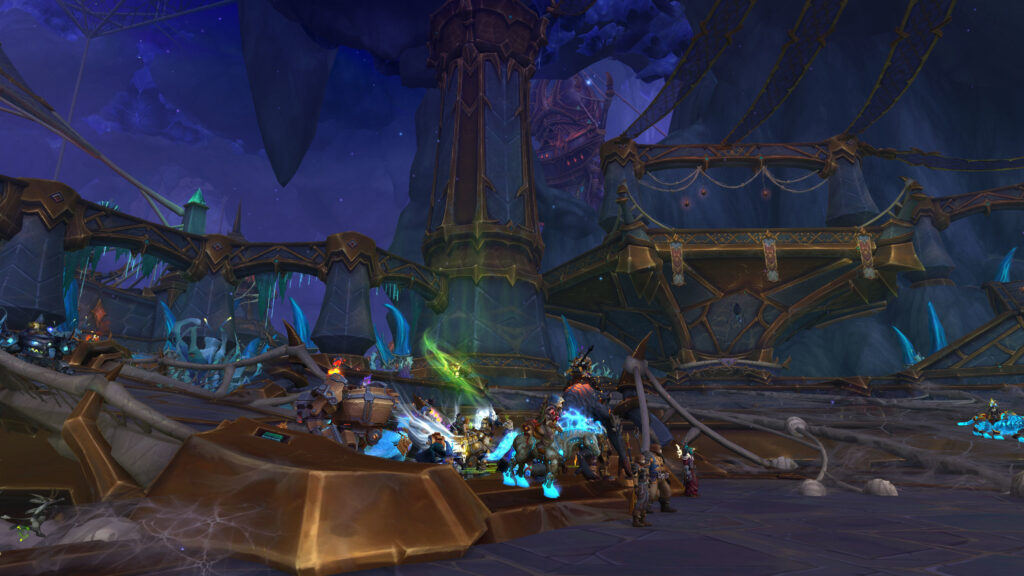
Late-Night Error Spikes often appear as repeated failures on mechanics that were previously mastered. These mistakes are rarely strategic failures—they are neurological slowdowns caused by sustained concentration without recovery.
Performance Indicators of Fatigue
Raid leaders must actively monitor fatigue markers across the group:
- Mechanical Regression: Players begin failing entry-level mechanics they executed cleanly earlier.
- Delayed Callout Response: Slower acknowledgments or missed voice communications.
- Output Variance: Noticeable dips in DPS or HPS consistency between pulls.
- Emotional Volatility: Increased frustration or negative tone after wipes.

These signals indicate that the Endurance Constraint has been reached and intervention is required.
Structured Fatigue Management Protocol
Effective fatigue management relies on proactive scheduling rather than reactive desperation:
| Intervention Type | Recommended Timing | Performance Benefit |
|---|---|---|
| Hourly Micro-Break | 5–10 minutes every 60 minutes | Resets cognitive load; improves reaction time and communication clarity. |
| Post-Streak Reset | After 2–3 identical wipe causes | Breaks mental stagnation loop; prevents reinforcement of bad habits. |
| Session Termination | When mechanical regression becomes consistent | Preserves morale and prevents negative conditioning. |
The Strategic Value of Ending Early
Calling a session early is often a progression-positive decision. Continuing past peak cognitive efficiency leads to reduced learning retention and diminished morale.

Ending at a strong execution point reinforces confidence and allows players to mentally consolidate improvements before the next session.
Fatigue, Morale, and Long-Term Progression
Unmanaged fatigue compounds into morale decline. Repeated avoidable errors erode confidence and create tension within the team. Managing the Endurance Constraint ensures that progression remains data-driven and constructive rather than emotionally reactive.
Conclusion
The Management of Raid Member Fatigue is a decisive Endurance Constraint that directly influences progression efficiency. By implementing structured breaks, monitoring regression indicators, and making disciplined decisions about session duration, teams maintain Sustained Focus and prevent performance collapse from Late-Night Error Spikes.
Endurance management is not optional—it is a strategic pillar of high-level raid success.