



In high-pressure raid and dungeon encounters, the shared, limited nature of the Battle Resurrection (Brezz) cooldown mandates extreme tactical discipline. Combat Resurrection Target Priority is the critical **Crisis Decision** that determines which fallen player must be revived immediately. This decision separates teams executing **Critical Role Revival**—bringing back the player whose presence is absolutely necessary for stabilization—from those making **Low-Impact Player Return**—wasting the Brezz on a player whose absence does not directly threaten the encounter’s success.
This analysis details the Brezz decision hierarchy, the critical failure state assessment, and the non-negotiable protocol for optimal resource usage.
The Brezz as a Limited Resource
The Brezz carries a steep global penalty (shared cooldown), making its use a high-value transaction. The decision to use it must be based purely on neutralizing the most imminent threat to the encounter’s success, which is almost always the loss of a key structural role.
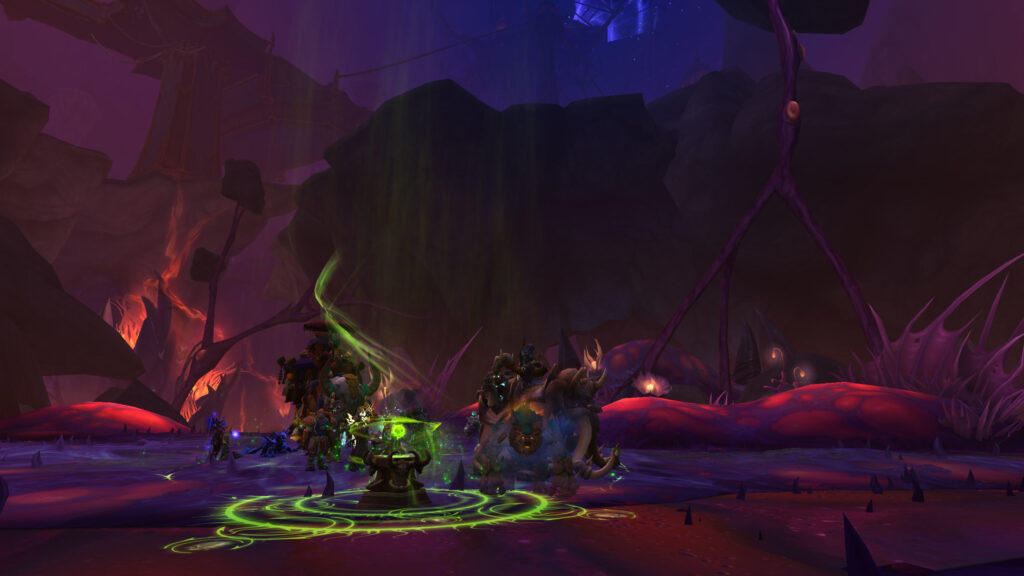
A **Low-Impact Player Return** typically involves using the Brezz on a DPS player who died early in the fight, when the Tank and Healer are stable. While DPS is important, the absence of one DPS is recoverable; the consumption of the Brezz cooldown leaves the group highly vulnerable if the Tank or Healer subsequently dies to a mechanic later in the fight.
The Critical Role Revival Hierarchy
The Crisis Decision follows a strict, non-negotiable hierarchy, prioritizing the roles whose immediate revival is required to prevent a wipe:
- Main Tank (MT) or Off-Tank (OT) during Aggro Phase: Highest Priority. Loss of tanking resources is catastrophic; Brezz is mandatory to stabilize aggro.
- Healer (Primary Healing Output): Second Priority. Loss of the main healer or a high-throughput healer leaves the group exposed to unavoidable AoE spikes.
- Utility Specialist (Mandatory): Third Priority. A player (DPS or Healer) whose utility is necessary for the *immediate* next mechanic (e.g., the only player with a mass dispel or a mandatory stun).
- Highest Output DPS (Non-Critical): Lowest Priority. Revived only when the structural roles are stable and the Brezz cooldown can be spared to assist with a tight damage check.
Assessing the Critical Failure State
The Brezz Coordinator (usually the Raid Leader or Tank) must instantly assess the **Critical Failure State**—the consequence of the player’s absence:
| Target Role | Scenario (Crisis State) | Decision (Critical Revival) |
|---|---|---|
| Tank (MT) | Boss is loose; OT is soaking adds; MT is dead. | Mandatory Brezz; prevent immediate wipe. |
| DPS (High Output) | DPS dies, but boss is at 85% health; Healer/Tank stable. | Hold Brezz; low impact; save resource for later crisis. |
| Healer (Secondary) | Healer dies 5 seconds before a raid-wide AoE spike. | Mandatory Brezz; the primary healer cannot survive the spike alone. |
| DPS (Utility) | Utility DPS dies; the next phase requires their specific CC/interrupt. | Strategic Brezz; the utility is critical to the next mechanic. |
The Protocol: Instant Decision and Cast
Due to the short windows for recovery, the Crisis Decision must be made and executed instantly.
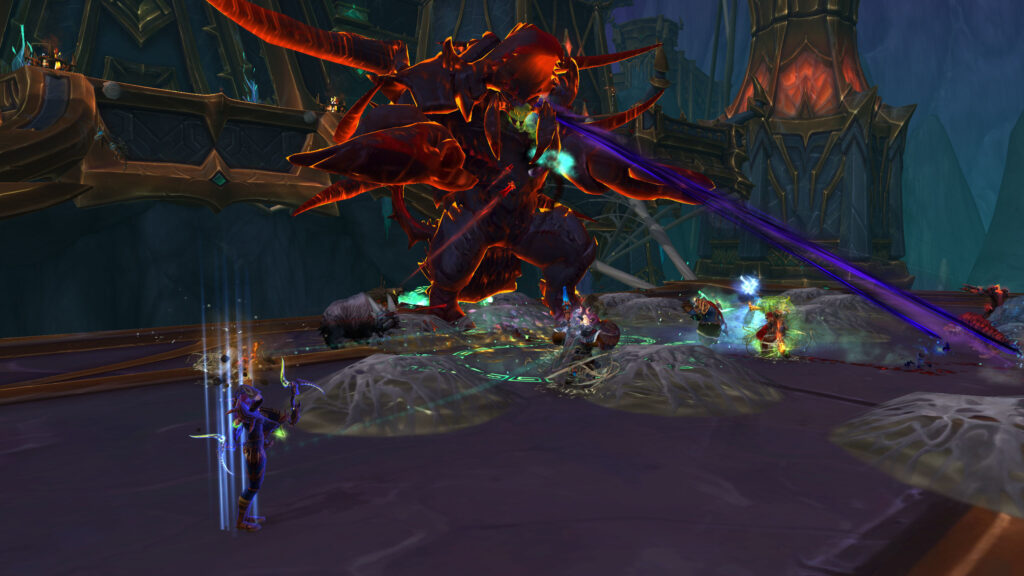
Any hesitation in targeting the Critical Role can result in the entire pull collapsing. Once the decision is made, the assigned player must cast the Brezz immediately, regardless of current mana state or GCD.
Conclusion
Combat Resurrection Target Priority is the defining Crisis Decision in high-stakes progression.
By strictly adhering to the Critical Role Revival hierarchy, teams ensure that the limited Brezz resource is used only when absolutely necessary for structural stabilization. This discipline separates recoverable failures from the catastrophic waste of Low-Impact Player Return.